What Happens When We Print More Money?
In 1920s Germany, children played with stacks of banknotes as building blocks because the paper was worth more as a toy than as money. A wheelbarrow of cash could not buy a loaf of bread. This is what happens at the extreme end of money printing — and while modern examples are less dramatic, the mechanism is identical.
Printing money is like watering down orange juice - same container, but each sip has less orange. More dollars chasing the same goods means each dollar buys less. It's a hidden tax that hits savers hardest.
Plain English effects:
- •Dilution: Each dollar buys less over time.
- •Cantillon Effect: Those closest to new money (banks, asset owners) benefit first.
- •Asset Inflation: Stocks/houses can rise before groceries do.
- •Hidden Tax: Your savings' buying power quietly shrinks.
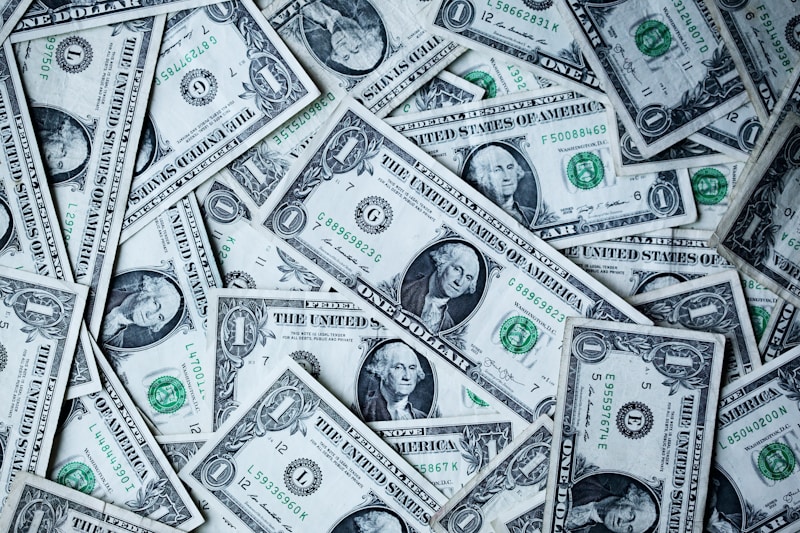
Between 2020 and 2022, the US M2 money supply increased by roughly 40%. During that same period, grocery prices rose 25%, housing prices surged over 30% in many markets, and the purchasing power of savings accounts declined significantly. The people who felt this least were those who owned scarce assets — stocks, real estate, and Bitcoin.
You do not need hyperinflation to lose purchasing power. A steady 3-5% annual inflation cuts your savings in half over 15-20 years. Bitcoin was designed specifically to be immune to this — its supply schedule is fixed in code and enforced by every node on the network.
Test Your Knowledge
3 questions · Passing score: 75%
Enjoying these lessons?
Get a free Bitcoin lesson in your inbox every week. Join thousands of learners.
Free forever. No spam. Unsubscribe anytime.