Altcoin Categories Explained
The cryptocurrency landscape is vast: smart contract platforms, stablecoins, meme coins, DeFi tokens, and more. Understanding the categories helps you evaluate whether any of them solve a problem that Bitcoin does not already solve.
Thousands of cryptocurrencies exist beyond Bitcoin. Understanding the major categories helps you evaluate projects and understand trade-offs. Most are experiments; few have lasting value.
Major Altcoin Categories:
1. Bitcoin forks (BCH, BSV, LTC) 2. Smart contract platforms (ETH, ADA, SOL, AVAX) 3. DeFi tokens (UNI, AAVE, CRV, MKR) 4. Stablecoins (USDT, USDC, DAI) 5. Privacy coins (XMR, ZEC, DASH) 6. Exchange tokens (BNB, FTT, CRO) 7. Meme coins (DOGE, SHIB, PEPE) 8. Layer-2 / Scaling (MATIC, ARB, OP) 9. Interoperability / Bridges (DOT, ATOM, LINK) 10. Other categories: NFT platforms, gaming, metaverse, AI, etc.
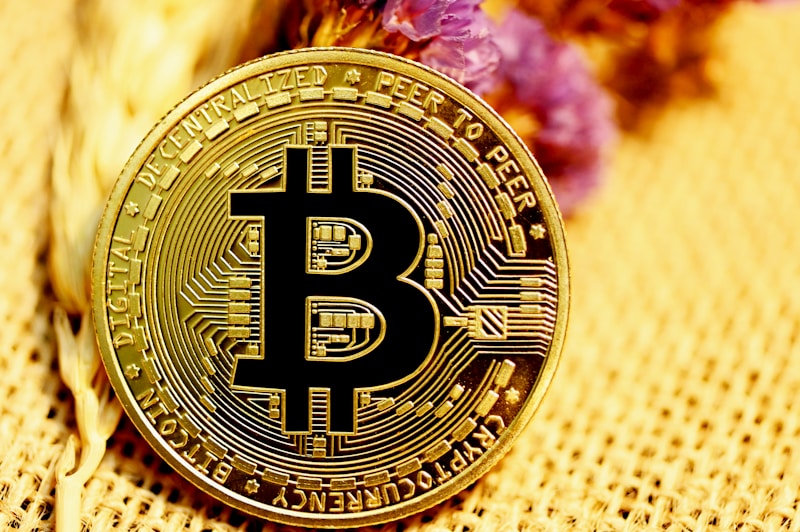
1. Bitcoin Forks:
- •What they are: Copies of Bitcoin code with modifications.
- •Examples: Bitcoin Cash (BCH), Bitcoin SV (BSV), Litecoin (LTC).
- •Claims: "Better than Bitcoin"—usually bigger blocks or faster times.
- •Reality: None have achieved Bitcoin's security, adoption, or network effects.
- •Trade-offs: Larger blocks = more centralization (harder to run nodes). Faster blocks = less security.
- •Verdict: Failed experiments. Bitcoin's conservative approach has proven superior.
2. Smart Contract Platforms:
- •What they are: Blockchains for decentralized applications and programmable money.
- •Examples: Ethereum (ETH), Cardano (ADA), Solana (SOL), Avalanche (AVAX), Polkadot (DOT).
- •Claims: "Ethereum killers" with faster speeds, lower fees, better tech.
- •Reality: Ethereum has network effects and first-mover advantage. Others struggle with centralization (Solana), complexity (Cardano), or adoption.
- •Trade-offs: Speed and low fees usually come from centralization (fewer validators, high hardware requirements).
- •Verdict: Ethereum leads, but suffers high fees. Others are faster but more centralized.
3. DeFi Tokens:
- •What they are: Governance or utility tokens for decentralized finance apps.
- •Examples: Uniswap (UNI), Aave (AAVE), Curve (CRV), MakerDAO (MKR).
- •Use cases: Voting on protocol changes, earning fees, staking for rewards.
- •Reality: Mostly speculative. Value tied to DeFi usage, which is largely speculation on speculation.
- •Risks: Smart contract bugs, regulatory uncertainty, token not needed for actual usage.
- •Verdict: Interesting experiments, but high risk and unclear long-term value.

4. Stablecoins:
- •What they are: Tokens pegged to fiat currencies (usually USD).
- •Examples: Tether (USDT), USD Coin (USDC), DAI (decentralized).
- •Use cases: Trading, remittances, payments, avoiding volatility.
- •Types: Fiat-backed (USDT, USDC), crypto-collateralized (DAI), algorithmic (mostly failed—see UST collapse).
- •Risks: Centralization (USDT/USDC can freeze accounts), regulatory scrutiny, de-pegging risk.
- •Verdict: Useful for trading, but not "crypto" in spirit—just digital dollars with crypto rails.
5. Privacy Coins:
- •What they are: Cryptocurrencies focused on transaction privacy.
- •Examples: Monero (XMR), Zcash (ZEC), Dash.
- •How they work: Obfuscate sender, receiver, and amount using cryptographic techniques (ring signatures, zero-knowledge proofs).
- •Trade-offs: Privacy comes with larger transaction sizes, slower verification, complexity.
- •Regulatory risk: Privacy coins face bans and delistings.
- •Verdict: Strong privacy, but niche use case. Bitcoin has improving privacy (CoinJoin, Lightning, Taproot).
6. Exchange Tokens:
- •What they are: Tokens issued by centralized exchanges.
- •Examples: Binance Coin (BNB), FTX Token (FTT—collapsed), Crypto.com Coin (CRO).
- •Use cases: Trading fee discounts, staking rewards, exchange ecosystem perks.
- •Risks: Centralized control, tied to exchange's success (FTX collapse wiped out FTT holders).
- •Verdict: High risk. Not decentralized. If the exchange fails, the token is worthless.
7. Meme Coins:
- •What they are: Joke coins with no real utility, driven by memes and speculation.
- •Examples: Dogecoin (DOGE), Shiba Inu (SHIB), Pepe (PEPE).
- •Why they exist: Community fun, speculation, pump-and-dump schemes.
- •Reality: No technical innovation, no real use case. Pure gambling.
- •Verdict: Don't invest what you can't afford to lose. Most go to zero.
8. Layer-2 / Scaling Solutions:
- •What they are: Protocols built on top of base-layer blockchains to improve speed/cost.
- •Examples: Polygon (MATIC), Arbitrum (ARB), Optimism (OP) for Ethereum; Lightning for Bitcoin.
- •How they work: Bundle transactions off-chain, settle final state on base layer.
- •Trade-offs: L2s add complexity and trust assumptions.
- •Verdict: Necessary for scaling, but introduce new risks and centralization.
9. Interoperability / Oracles:
- •What they are: Projects focused on connecting blockchains or bringing external data on-chain.
- •Examples: Polkadot (DOT), Cosmos (ATOM), Chainlink (LINK).
- •Use cases: Cross-chain communication, price feeds for DeFi, real-world data.
- •Reality: Bridges are major hacking targets (billions lost). Oracles introduce centralization.
- •Verdict: Useful infrastructure, but high risk and complexity.
Questions to Ask About Any Altcoin:
1. What problem does it solve that Bitcoin doesn't? 2. Why does it need its own token? 3. How decentralized is it really? 4. Who controls development and funding? 5. What's the token distribution? (pre-mine, ICO, VC allocation) 6. Does it have real adoption or just speculation? 7. What are the security trade-offs? 8. Could this be built on Bitcoin (Lightning, sidechains)?
Most altcoin categories are attempting to solve problems that Bitcoin deliberately chose not to address. The question is whether those problems need a new token or can be solved by layers built on Bitcoin.
Test Your Knowledge
5 questions · Passing score: 75%
Enjoying these lessons?
Get a free Bitcoin lesson in your inbox every week. Join thousands of learners.
Free forever. No spam. Unsubscribe anytime.